
How to Become a Volunteer in Your Community (Step-by-Step Guide)
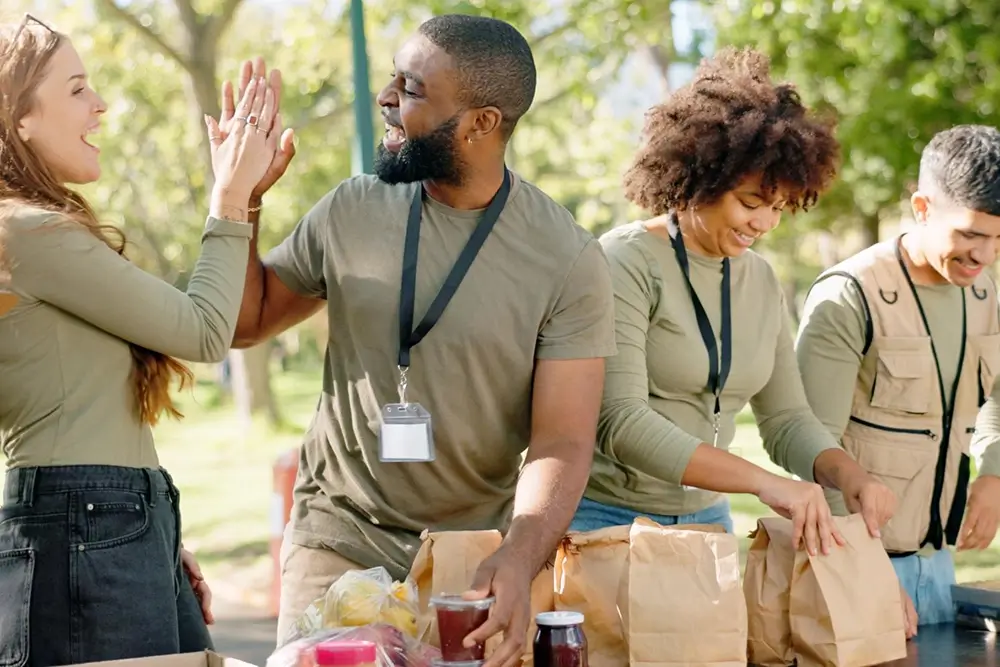
The desire to help usually starts as a feeling after seeing a need, a crisis, or even just a moment where you wish things were a little better than they are.
But people struggle with everything that comes after that first thought—where to go, what to do, and whether they’re even “qualified” to help in the first place. Volunteering isn’t reserved for people with extra time, special skills, or a perfect plan. It begins with something much simpler: deciding to be available when needed.
This is a beginner’s guide to community volunteering, made to help you start making a real impact on the causes you support.
What is Volunteering?
Volunteering in your community involves giving your time, skills, or energy to support a cause without expecting payment. That can mean helping at a local shelter, assisting in school programs, joining clean-up drives, or even offering your skills online for nonprofit work. It can be structured formally through joining organizations or informally through everyday acts of support for neighbors and local groups.
Across the world, volunteering remains a major force in community development. Recent global estimates suggest that more than 860 million people volunteer at least once a month, contributing significantly to social and economic systems that rely on civic participation (OECD, 2024).
This act is a connector. It brings you into contact with people you wouldn’t normally meet, builds relationships, and often creates long-term involvement in causes that matter to you. In fact, three-quarters of volunteers connect with people from different backgrounds through their service, strengthening their sense of belongingness (NCVO, 2023). More than the impact, they stay for the connection.
That’s why how to become a volunteer is also a question of alignment: with people, purpose, and place.
Are You Ready to Volunteer?
Before you search for how to start volunteering, pause and check your readiness—not in terms of qualifications, but in terms of intention and availability.
Ask yourself:
- Do I even have 1–2 hours a week or a month?
- Do I prefer structured or flexible commitments?
- Do I want to work with people, animals, education, or environmental causes?
- Am I open to learning as I go?
There’s no “perfect volunteer profile.” Volunteers often engage for very different reasons, including personal growth, social connection, and mental well-being (State of Volunteering NZ, 2024). Many begin with one-off activities before committing to long-term involvement. That means you don’t need to overcommit to experience impact.
If you can show up consistently in small ways, you’re already ready.
How to Start Volunteering?
In reality, how to start volunteering is usually just a matter of making that first small decision: where to go, who to message, or what to sign up for. Once that’s out of the way, things tend to sort themselves out faster than expected. You figure out volunteering in your community by actually stepping into it.
So instead of overthinking the whole process, it helps to focus on what that first step actually looks like in practice.
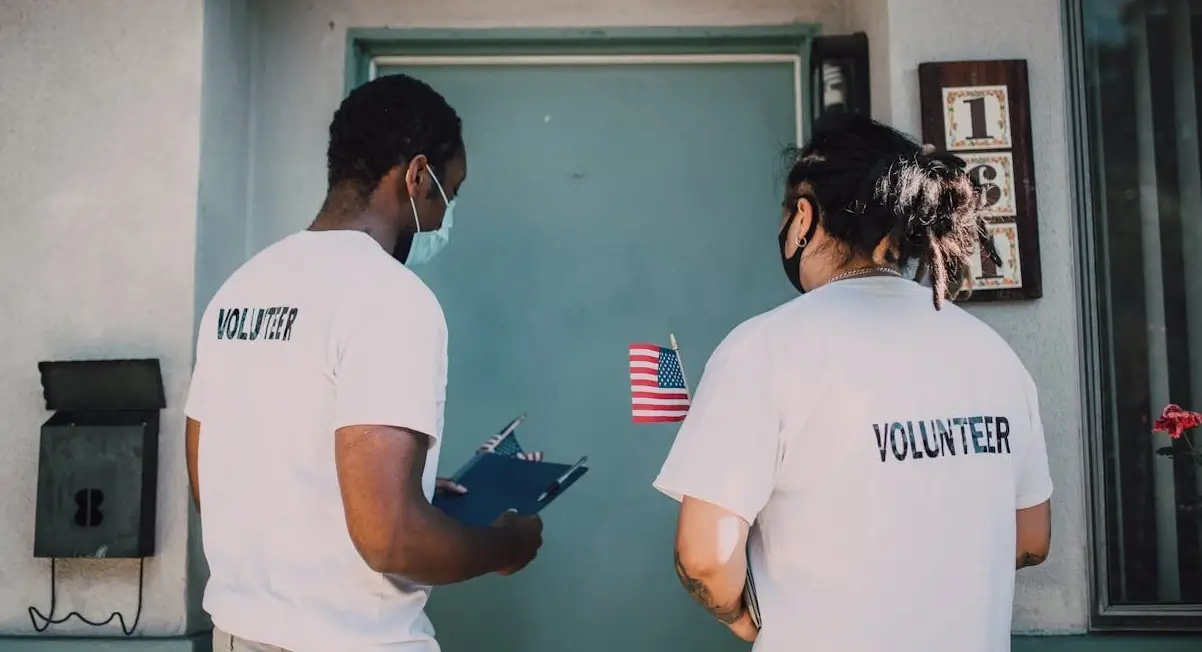
Step 1: Identify Causes that Matter to You
The most sustainable volunteering experience starts with alignment. Instead of asking “Where do they need help?” start by knowing the issues that matter to you personally, the communities you care about, and the problems you feel connected to.
Common categories include:
- Education and youth development
- Environmental protection
- Health and wellness
- Poverty alleviation
- Animal welfare
When your values align with your service, consistency becomes easier. Think of it as a simple intersection between what you care about, what you can offer, and where help is needed. The space where those three meet is your starting point.
Step 2: Search for Volunteer Opportunities Near You
Once you’ve identified your interest, the next step is finding opportunities. Many people struggle here because they don’t know where to look.
Start with local nonprofits and foundations, schools, universities, religious or civic organizations, community centers, and online volunteer platforms listing volunteer opportunities near you. In many cases, local organizations are actively looking for help but lack visibility. This is why searching intentionally is a key step in how to become a volunteer.
If you’re looking to make a real impact, the MPOWR Foundation is dedicated to advancing financial literacy for underserved youth and communities, helping turn knowledge into opportunity.
Step 3: Show Up
One of the most common misconceptions about how to become a volunteer is that you have to do more. Not necessarily. Consistency matters more than intensity. Even a few hours of volunteering in your community per month can create impact over time.
Typically, volunteers contribute an average of around 5 hours per week in some regions, depending on availability and role (NSW Government, 2025). But many begin with far less and gradually build up.
This helps you avoid burnout, learn how organizations operate, discover what roles you enjoy, and build confidence. Since this is your first experience, think of it as a test run of how to become a volunteer.
Step 4: Use Your Skills
Many beginners assume volunteering in your community requires “special skills.” But most organizations need everyday abilities more than technical expertise.
You might be surprised how useful writing, organizing, teaching, social media management, and basic admin work actually are. Even more interesting, research shows that around 65% of volunteers develop new skills through volunteering, not before it (WiFiTalents, 2024).
Step 5: Apply and Follow Through
After finding an opportunity, the real work begins. Most organizations will have:
- A short application or sign-up
- Orientation or briefing
- A first assignment or trial activity
This is where reliability matters more than enthusiasm. Showing up on time, following instructions, and staying consistent builds trust quickly. You must learn to be dependable in environments that rely on people stepping up.
There is no single correct way to begin. There is only the willingness to begin at all. And from there, how to start volunteering becomes less of a question and more of a lived experience—one step, one contribution, and one connection at a time.
Common Challenges in Volunteering
Even when the intention to help is strong, how to start volunteering isn’t always seamless. One of the most common barriers people face is simply finding the time. Life gets busy quickly, and even something meaningful like volunteering in your community can feel difficult to fit into an already packed schedule.
There’s also the risk of taking on too much too soon. In the excitement of wanting to contribute, some people say yes to multiple commitments at once and eventually feel drained or stretched too thin. When that happens, people tend to step back.
A challenge that also often gets overlooked is emotional fatigue. Some volunteer work can be deeply human and, at times, emotionally heavy. Working with vulnerable communities, addressing social issues, or working in crisis-related environments can take a toll if there’s no space to process what you’re experiencing. This requires learning to pace yourself, reflect, and take breaks when needed, so you can continue to show up in a healthy way.
The goal is not to push through every challenge at full speed, but to know how to start volunteering in a way that actually fits into your life.
The Impact of Volunteering in Your Community
Volunteering creates impact in two directions: it strengthens communities while also shaping the people who choose to show up for them.
At the community level, even small acts of service help local organizations function more effectively and reach more people in need. These efforts build stronger support systems and more connected neighborhoods where people are more willing to step in for one another.
For individuals, the effects are just as meaningful. It’s linked to higher life satisfaction and improved mental well-being, largely because it creates a sense of purpose and belonging in everyday life (OECD, 2024). It also helps people develop practical skills such as communication, leadership, and teamwork that often carry over into both personal and professional growth.
If there is one takeaway from this beginner’s guide to community volunteering, it’s this: the best way to learn how to become a volunteer is to begin small, stay open, and keep showing up.
Because every act of service adds up to something larger than you can see in the moment. And that’s where real community change begins.
This National Volunteer Month, be part of the MPOWR Foundation to create real change through financial education and opportunity.
Key Takeaways
- Volunteering in your community is accessible to everyone—you don’t need experience, just willingness and consistency.
- Learning how to become a volunteer starts with understanding your values and choosing causes that genuinely matter to you.
- To answer how to start volunteering, look for local organizations, schools, and community groups that offer beginner-friendly roles.
- This beginner’s guide to community volunteering emphasizes starting small, such as joining one-day events or short-term activities, before committing long-term.
- Skills matter more than people think; even everyday abilities like communication, organization, and creativity can be valuable when volunteering in your community.
- Volunteering benefits both the community and the individual, improving mental well-being, social connection, and personal development.
References:
NCVO. (2023). Time well spent 2023: Volunteering among the global majority. National Council for Voluntary Organisations. https://www.ncvo.org.uk/news-and-insights/news-index/time-well-spent-2023-volunteering-among-the-global-majority/volunteer-satisfaction-and-impact/
OECD. (2024). Valorising volunteering for people and places: International trends and experiences. Organisation for Economic Co-operation and Development. https://www.oecd.org/en/events/2024/12/valorising-volunteering-for-people-and-places-international-trends-and-experiences.html
WiFiTalents. (2024). Volunteer statistics: Impact, benefits, and global insights. https://wifitalents.com/volunteer-statistics/
State of Volunteering Aotearoa New Zealand. (2024). State of volunteering in Aotearoa New Zealand report 2024. United Nations Volunteers Knowledge Portal. https://knowledge.unv.org/evidence-library/state-of-volunteering-in-aotearoa-new-zealand-report-2024